
Put mythology after the game fact
- Step 1: Open the in-game location, boss, or item that the lore question refers to and copy the exact name, description, and encounter context.
- Step 2: Compare that game evidence with the mythology material only after the practical game meaning is clear, and mark the comparison as interpretation.
- Step 3: Add a spoiler label for late-game material and write the result as game fact first, followed by the optional mythology context.
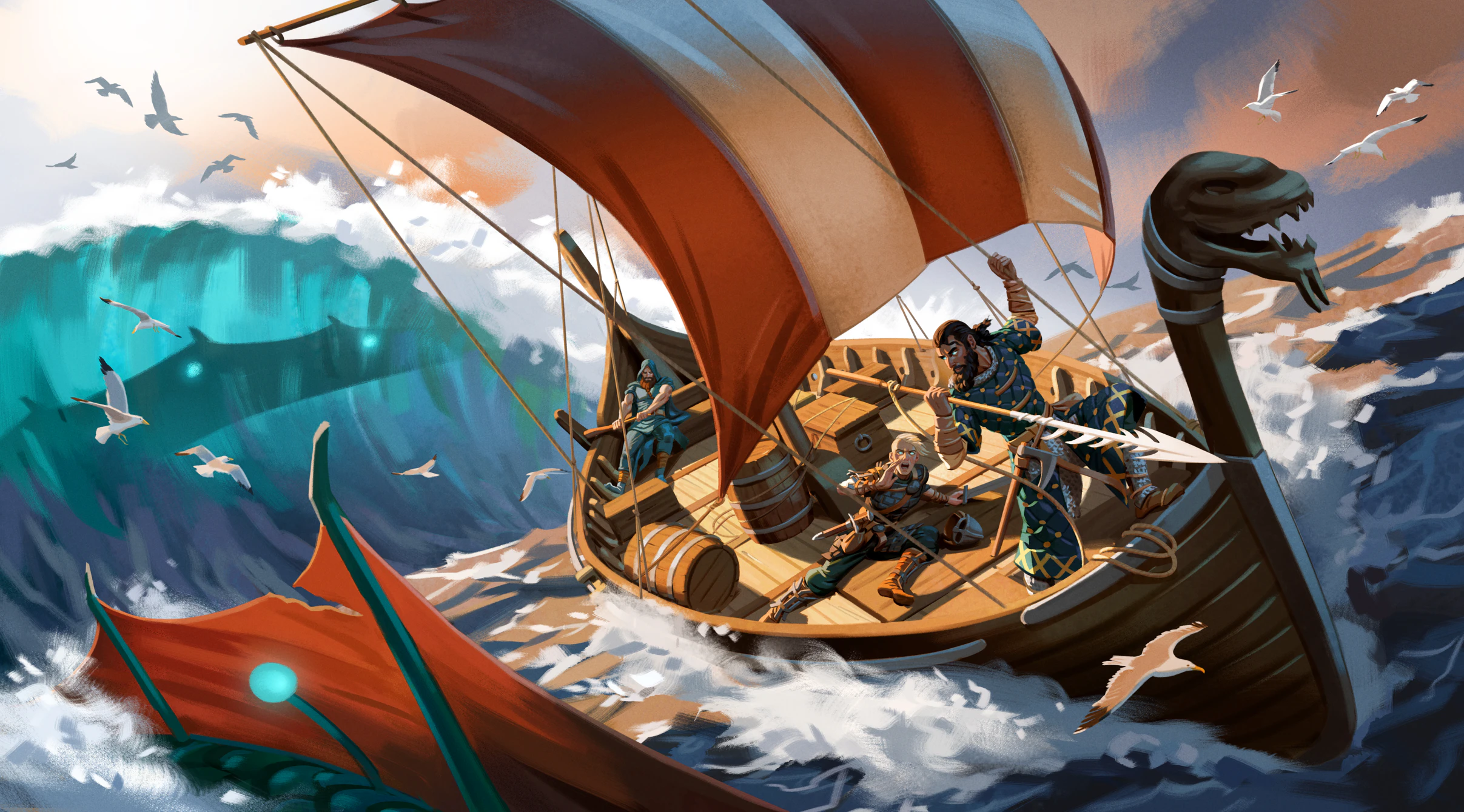
A lore page is clearest when it starts with the object, location, boss, or description the player sees in game. Mythology can then explain a name or motif without replacing the practical meaning of the encounter.
When comparing a Valheim name with a Norse source, quote the in-game name first and identify whether the comparison concerns a god, creature, place, or symbol. Keep the game’s combat, recipe, and progression behavior separate from the historical description so readers know which detail changes what they do in the game.
- Copy the exact in-game name and context before making a cultural comparison.
- Separate confirmed game facts from interpretation and mark late-game material for spoilers.
- Use the comparison to deepen recognition, not to invent mechanics or rewards that the game does not show.
Confirm the result
Each lore claim states whether it comes from the game or from a broader mythological comparison.
If the first attempt fails
- Remove a historical claim that the local material cannot support.
- Return to the in-game text or encounter for the exact wording.
- Keep late-game details behind a spoiler warning.