
Choose the boat for the crossing, cargo, and landing
- Step 1: Equip the hammer, open the building menu, select the boat you can craft, and place it in shallow water beside the prepared workbench or landing area.
- Step 2: Board the boat, use the rudder controls to point the bow, read the wind direction, and make a short unloaded crossing before loading valuable materials.
- Step 3: Mark the landing, unload at the destination, build or activate the portal, and keep the repair and return route available before making the cargo run.
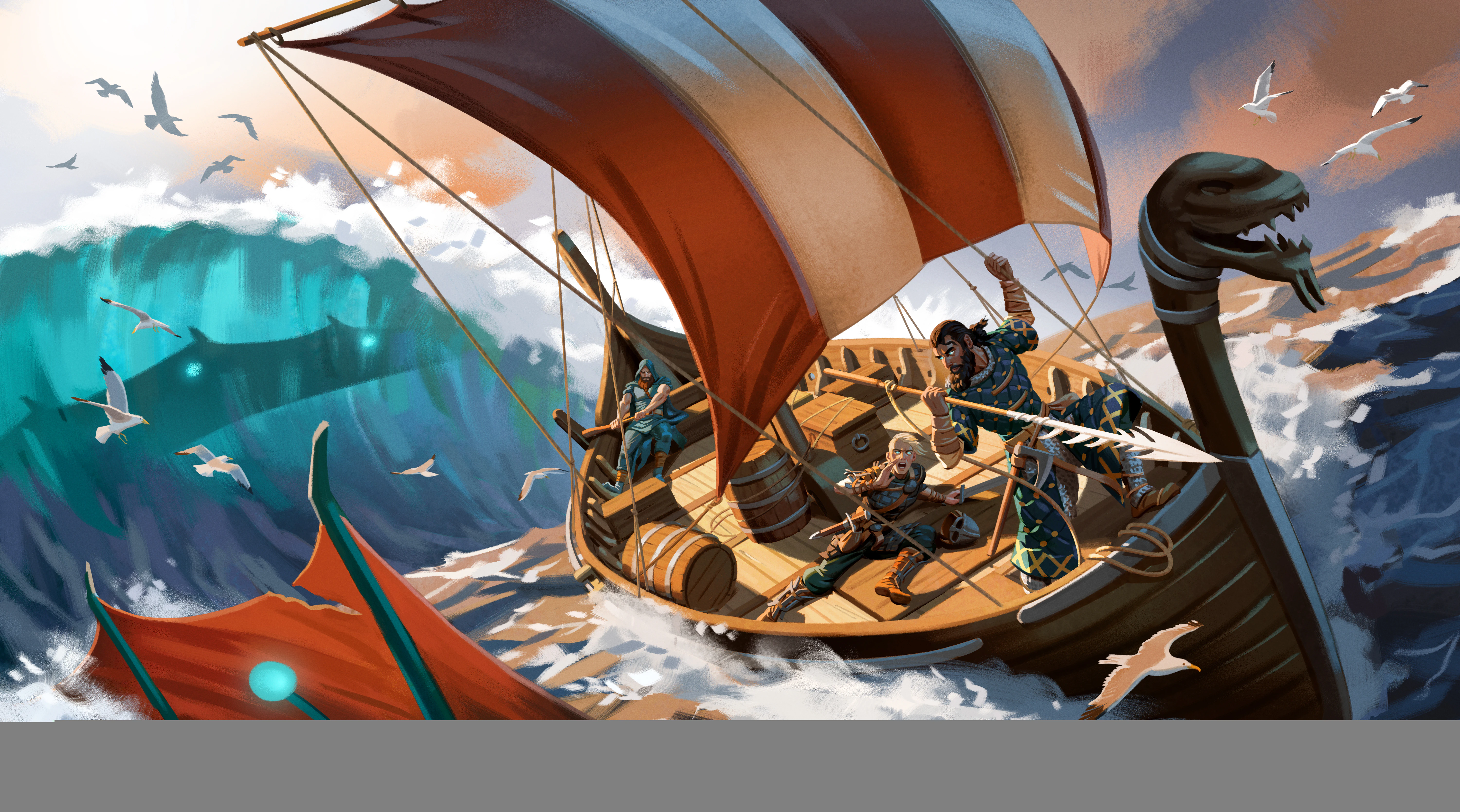
A boat is only as useful as its launch, wind, landing, and recovery route. The raft, Karve, and Longship support different stages of progression and cargo plans, so choose the vessel around the crossing rather than its name alone. A safe landing is part of the route, not an afterthought.
| Boat | Build cost at a Workbench | Storage | Best use |
|---|---|---|---|
| Raft | 20 Wood, 6 Leather Scraps, 6 Resin | No cargo hold | First short crossing when bronze and fine wood are not available. |
| Karve | 30 Fine Wood, 10 Deer Hide, 20 Resin, 80 Bronze Nails | 4 slots | Early exploration and a small resource run after the bronze gate. |
| Longship | 40 Fine Wood, 10 Deer Hide, 40 Ancient Bark, 100 Iron Nails | 18 slots | Long-distance exploration and large cargo runs after iron is available. |
All three are built with a Hammer at a Workbench. You must discover the required materials before the recipe appears. Karve and Longship are the practical cargo choices because they have dedicated storage; use the Raft for a first crossing rather than a full metal shipment.
Rudder input controls turning and the sail state controls speed. With the wind behind or across the sail, use the open-water route. When the wind turns against you, shorten the crossing, tack around the coast, or land and reset instead of forcing a straight line. Check the wind indicator and the boat’s damage state before continuing.
- Make the first crossing without rare cargo and mark the landing before returning for the real load.
- Keep a portal or recovery route available on the destination side, not only at the launch point.
- Read the wind and turn toward a safe coast when the planned line becomes less safe than the alternate route.
Common mistakes
- Turn toward a safe coast when wind or stamina makes the route unsafe.
- Recover the portal and empty cargo before attempting a new crossing.
- Check the boat type and local sailing conditions rather than forcing a straight line.